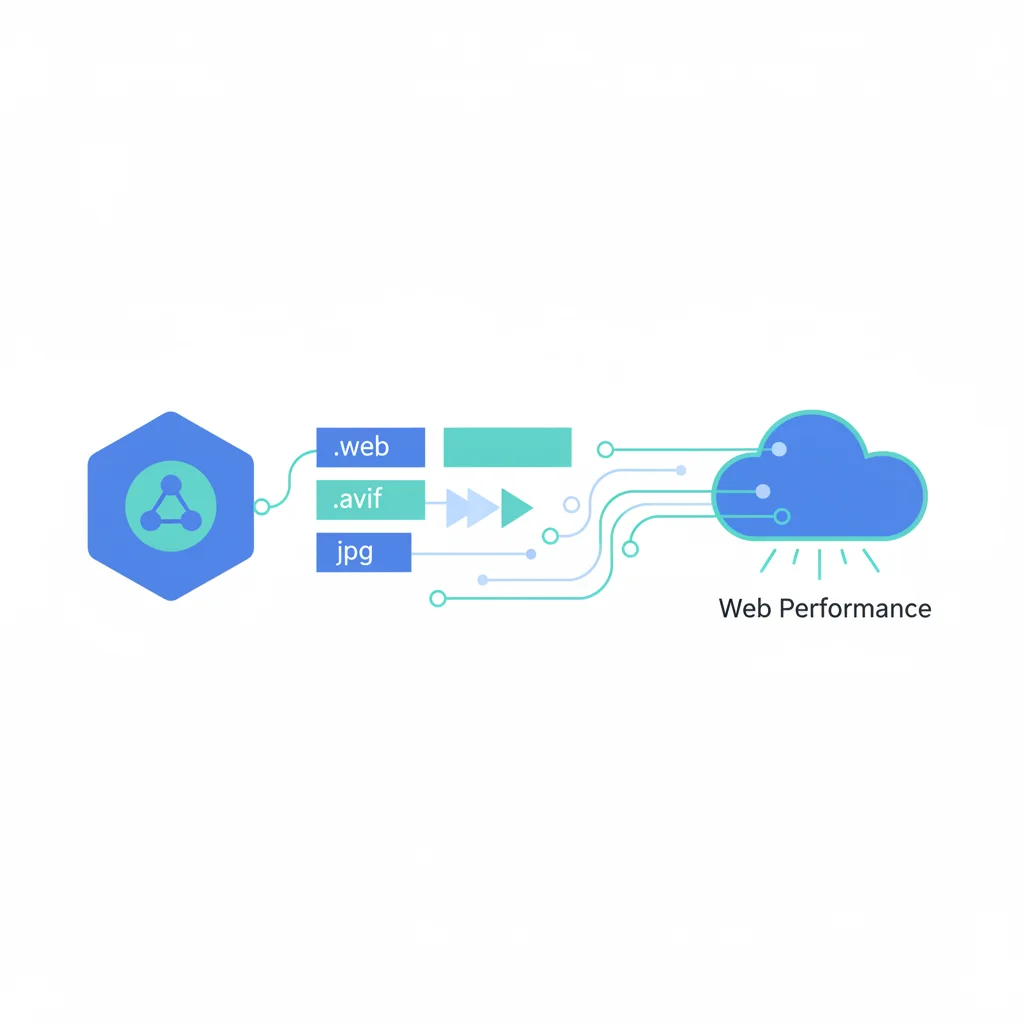
The Evolving Landscape of Web Images
Images are central to the web experience, captivating users and conveying information visually. However, they are also frequently the largest contributors to page weight, significantly impacting website performance. As Google continues to emphasize user experience through its Core Web Vitals initiative, optimizing images is no longer optional; it is a critical component of any successful web strategy. In 2026, the landscape of image formats has matured, offering powerful tools to balance visual quality with lightning-fast load times. Understanding and implementing these modern formats is essential for achieving top performance scores.
WebP and AVIF: The Dominant Duo
- Superior Compression: Significantly smaller file sizes for faster loading.
- High Quality: Maintain visual fidelity even with aggressive compression.
- Widespread Browser Support: Compatible with Chrome, Firefox, Safari, Edge, and more.
- Versatility: Support for both lossy and lossless compression, and transparency.
JPEG and PNG: Still Relevant for Specific Cases
While next-gen formats lead the way, traditional JPEG and PNG still hold relevance for particular scenarios in 2026. JPEG remains an excellent choice for complex photographic images where broad compatibility is a paramount concern, especially when serving older browsers or niche user agents. PNG excels in situations requiring lossless compression, transparency, or sharp edges for graphics, logos, and icons. However, even when using these formats, modern compression tools and techniques should be applied to minimize file size without sacrificing quality. Always consider a fallback strategy for browsers that may not support AVIF or WebP.
Image Optimization Strategies for CWV
- Responsive Images: Use
srcsetandsizesfor optimal delivery. - Lazy Loading: Defer image loading until they are needed.
- CDNs: Deliver images quickly from edge locations.
- Image Compression Tools: Further reduce file sizes of all formats.
- Preloading Critical Images: Ensure hero images load fast for LCP.
The Future of Image Optimization
The journey of image optimization does not end with current formats. Research and development continue to push boundaries. Expect further advancements in AI-driven compression algorithms that can intelligently analyze image content and apply optimal compression settings dynamically. Emerging formats, though not yet mainstream in 2026, may offer even greater efficiencies. Dynamic image serving, where the server automatically selects the best format and size based on browser capabilities and network conditions, will become increasingly sophisticated and commonplace. Staying informed about these developments will be key to maintaining a competitive edge.
Embrace Modern Image Practices
In conclusion, achieving top-tier web performance and excellent Core Web Vitals scores in 2026 hinges significantly on a robust image optimization strategy. Prioritize next-generation formats like WebP and AVIF, but understand when traditional formats like JPEG and PNG are still appropriate. Combine format selection with smart implementation strategies such as responsive images, lazy loading, and CDN usage. By consistently applying these best practices, you ensure your website delivers a fast, visually rich, and user-friendly experience that satisfies both your audience and search engine algorithms.